

Effective sun lounger cover guide for winter storage
of reading
A deckchair left outside all winter won't just suffer from rain. Humidity settles into the fabrics, frost weakens certain plastics, leaves retain water, and UV rays continue to fade colors on clear days. This deckchair winter storage cover guide helps you protect your lounge chair with a simple solution, adapted to your outdoor space and how you store your furniture.
A good cover doesn't replace basic maintenance, but it prevents your deckchair from emerging from winter stained, damp, or covered in dust. The right choice mainly depends on its dimensions, shape, and the exposure of your patio, deck, or garden.
Why cover a deckchair during winter?
Even in American regions where winter remains mild, an exposed lounge chair undergoes temperature variations, condensation, and dirt. In colder areas, snow, frost, and wind add an extra constraint. Without a protective cover, straps can loosen, cushions can mold, and metal parts can mark or rust depending on their finish.
The deckchair cover forms a barrier against the most common aggressions: rain, snow, dust, pollen, bird droppings, wet leaves, and UV rays. It also limits the cleaning required when warmer days return. Instead of scrubbing ingrained stains for a long time, it's often enough to remove the cover, air out the furniture, and wipe it with a clean cloth.
However, it's important to be realistic: a cover placed on furniture that is already wet or dirty can trap moisture. Protection is effective when combined with a few good habits before storage.
Deckchair winter storage cover guide: taking the right measurements
The most important point is size. A cover that is too small pulls on the seams and doesn't cover the ends of the deckchair. A cover that is too large flaps in the wind, accumulates water, and can wear out faster due to friction. The goal is to choose a model that is ample enough to be installed easily, while remaining adjustable.
Measure your deckchair in the position it will be in during winter. For a folding deckchair, you can save space by folding it, provided this position doesn't strain the fabric or mechanism. For a reclining lounge chair, measure the total length, maximum width, and height, including armrests. If the backrest remains raised or if the deckchair has a thick cushion, take this into account.
A rectangular cover often suits a classic lounge chair. However, a sun lounger with wide armrests, a rounded shape, or an integrated footrest requires a more generous cover. It's better to compare the indicated dimensions with those of your furniture rather than relying solely on the word "deckchair."
Should the cushion be covered with the deckchair?
This depends on the cushion material and your storage space. If you have a garage, a dry basement, or a storage chest, the best thing is to put the cushions inside after cleaning and thoroughly drying them. They will maintain their loft and be less likely to develop damp odors.
If you have to leave them outside, choose a cover that is high enough and water-resistant. Regularly check the condition of the entire setup, especially after a long period of rain or snow. A cover protects, but a cushion constantly exposed to condensation will always eventually suffer.
The preferred cover material
For winter storage, look for a cover designed for outdoor use. Durable synthetic materials, such as treated polyester or Oxford, are popular because they are lightweight, easy to handle, and able to repel bad weather. A water-repellent surface helps water slide off instead of penetrating the fabric.
Waterproofness should not make you forget ventilation. A completely closed cover can create condensation when the air warms up and then cools down. Discreet vents promote air circulation and reduce the risk of mold. This is particularly useful in humid regions, near the coast, or in very shady gardens.
UV resistance remains useful in winter. In the Southern United States, California, or areas where the sun remains strong all year round, a cover exposed for several months must maintain its shape and color. In Northern states, also choose a fabric strong enough to withstand the occasional weight of snow and strong winds.
Seams and tightening systems are just as important as the fabric. Cords, straps, or buckles help keep the cover in place. A cover that blows away at the first gust of wind offers no protection. If your patio is very exposed, use the provided fasteners and check their tension after the first windy spells.
Preparing the deckchair before covering it
Covering dirty furniture means preserving stains for several months. Before winter storage, remove leaves, dirt, and debris stuck in the hinges. Clean the frame with a soft cloth, warm water, and a product compatible with the material. For aluminum, steel, wood, woven resin, or plastic, the manufacturer's care instructions remain the best reference.
Allow the deckchair to dry completely before installing its cover. This step is essential after washing, but also after a recent shower. Pay close attention to fabric folds, corners, armrest undersides, and areas where water can remain hidden.
Then place the deckchair on a clean surface, slightly sheltered if possible. A location against a wall can protect it from some wind, without preventing air circulation. Avoid placing it directly on a muddy area or under a tree that sheds a lot of leaves and branches.
Properly installing the lounge chair cover
Unfold the cover over the top of the backrest, then gradually slide it down to the feet. Do not pull roughly on the corners: if it gets stuck, check that an armrest or wheel is not catching it. Calm installation avoids damaging seams and provides a better fit.
Once the deckchair is completely covered, tighten the cords or fasten the straps. The cover should be stable, without being stretched taut like a canvas. If it forms a large pocket in the center, rainwater can accumulate there. You can slightly recline the backrest or place a non-sharp support under the cover to create a gentle slope. Water will drain more easily.
After a storm, carefully remove heavy snow and check that the fasteners are still in place. It's not necessary to uncover the deckchair every week, but occasional checks prevent unpleasant surprises. In case of a prolonged warm spell, take the opportunity to briefly lift the cover and check that no excessive humidity has settled in.
Mistakes that reduce a cover's lifespan
The first mistake is buying a cover solely because it is advertised as universal. Universal formats are practical, but the dimensions must remain consistent with your lounge chair. A well-fitting cover provides better protection and is easier to handle.
The second mistake is leaving the cover lying on the ground. It can then retain water, get dirty quickly, or become a refuge for insects. Adjust it as much as possible and clean the ground around the furniture before installation.
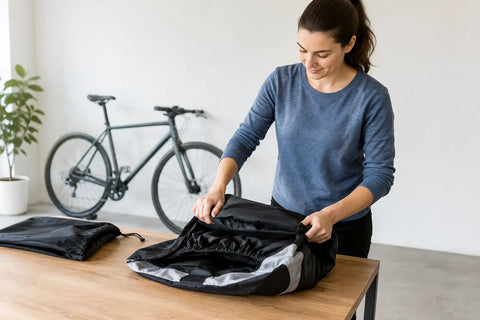
Finally, never store a damp cover in a garage or closet at the end of winter. Let it dry, remove dirt with a soft sponge, and fold it only when it is clean. It will be ready for the next season and will retain its protective qualities longer.
At 1001 Housses, the goal remains simple: to help you find a cover adapted to your actual uses, not just to a furniture category. By taking a few minutes to measure your deckchair and choose a well-fitting protector, you give it a better chance of getting through winter clean, dry, and ready to rejoin your outdoor space as soon as the warm weather returns.