

Practical garden furniture protection guide
of reading
A garden table that fades in the sun, cushions that get damp, chairs that rust faster than expected – that’s often when we realize that a good guide to protecting garden furniture isn't a minor detail. A few weeks of exposure are enough to mark an outdoor living area, even when the furniture initially seems sturdy. Protecting doesn't mean putting everything away at the slightest downpour. It’s mostly about choosing the right cover, the right maintenance schedule, and the right habits depending on the material.
Why protecting garden furniture really extends its lifespan
Outdoor furniture is designed to live outdoors, but not to constantly endure rain, UV rays, dust, pollen, bird droppings, and temperature fluctuations. This is where wear and tear begins. It doesn't always start with visible breakage. Often, it begins with discoloration, fabric that stays damp too long, a weakened structure, or damaged finishes.
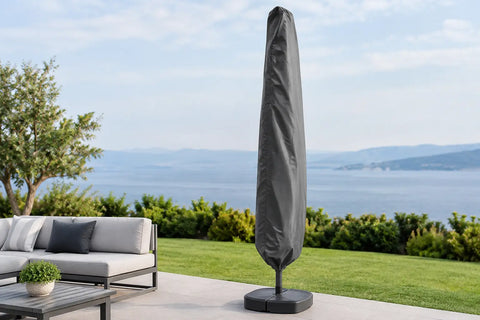
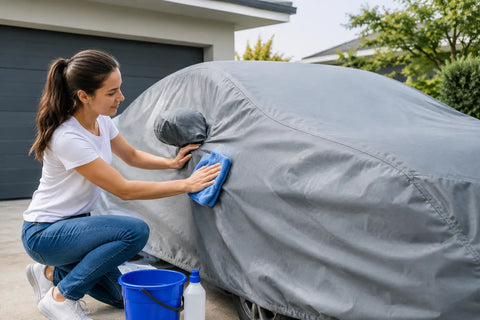
A well-fitting protective cover limits this direct exposure. It helps keep furniture cleaner, reduces the frequency of heavy cleaning, and prevents some weather-related damage. For many households, it’s also a simple way to preserve the appearance of the garden or patio without dedicating too much time to it.
However, one idea must be kept in mind: covering your furniture is not the same as forgetting about it. Effective protection requires a minimum of monitoring, especially during wet seasons.
Garden Furniture Protection Guide: Start with the Material
You don't protect a wooden table, a low woven resin lounge set, or metal chairs in the same way. This is the most useful starting point.
Wood
Wood remains a great favorite for its warm appearance, but it requires attention. The sun can gray it, water can make it swell or mark it, and standing moisture is never a good idea. A cover is useful, provided you don't trap still-wet furniture inside. For wood, protection must go hand in hand with gentle cleaning and, depending on the species, appropriate occasional treatment.
Metal